
Canadian Circular Textiles Consortium
Building Canada’s Circular Textile System
Aligning the ecosystem. Advancing solutions. Enabling systems change.

What is the CCTC?

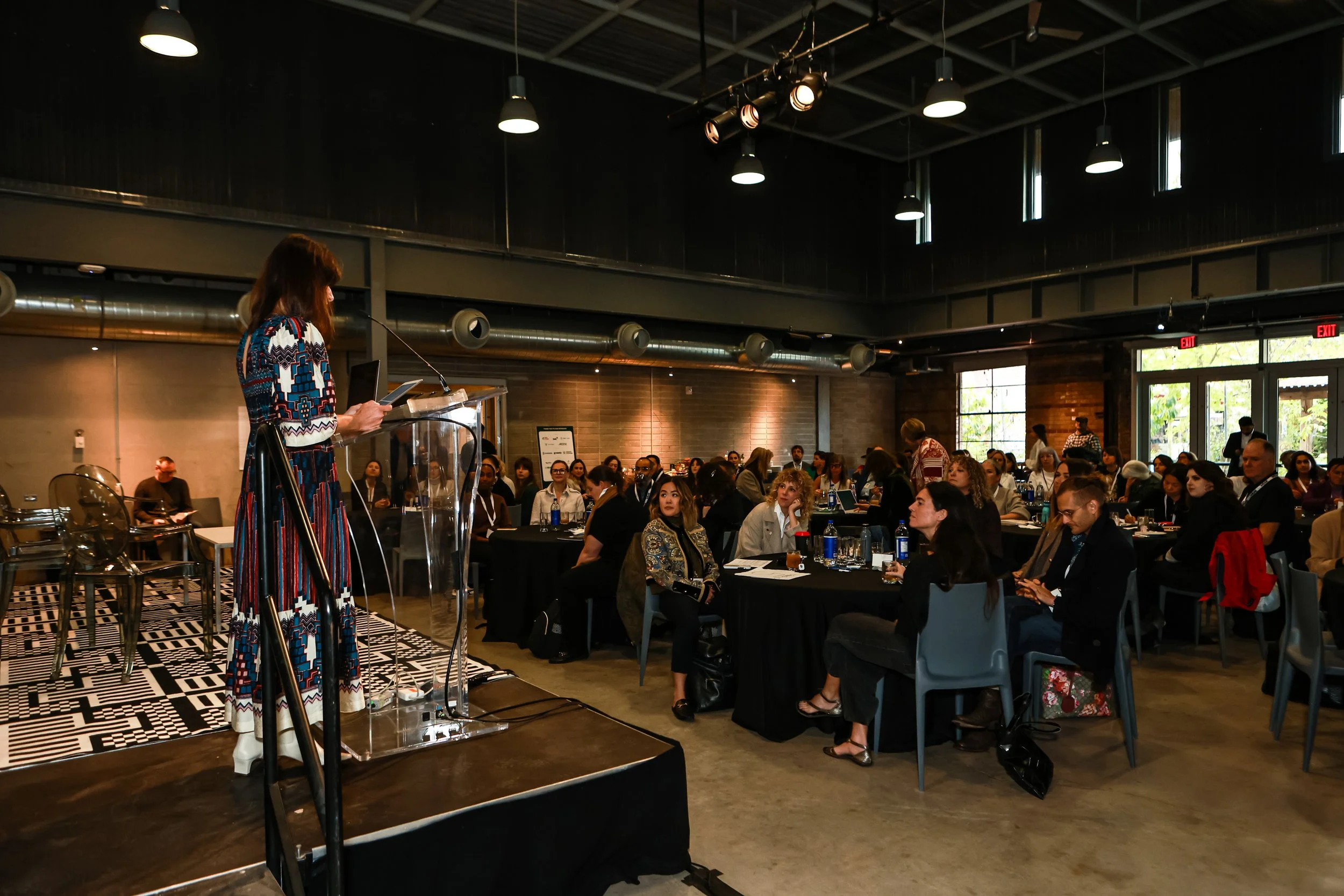
The Canadian Circular Textiles Consortium (CCTC) is a national, cross-sector platform convened by Fashion Takes Action to accelerate the transition to a circular textile system in Canada.
The CCTC brings together brands and retailers, government, charities and reuse organizations, recyclers, innovators, researchers, academics and other industry stakeholders to tackle the systemic barriers that no single organization can solve alone.
Rather than working in silos, CCTC members collaborate around shared priorities, generate evidence, test solutions and help create the conditions needed for circular textile systems to scale.
Vision: A connected and resilient circular textile system in Canada where products and materials are kept in use at their highest value for as long as possible.

Our Role
CCTC serves as a national backbone for collaboration and collective action.
We help the sector:
Identify shared challenges and opportunities across the textile value chain;
Build a stronger evidence base around textile flows, infrastructure and market needs;
Convene targeted working groups and coalitions around priority issues;
Test and validate solutions through research, innovation sprints and pilots;
Strengthen industry knowledge and capacity;
Inform policy, standards and enabling market conditions
Connect Canadian activity with emerging international circularity developments
Intended Impact:
To help build the knowledge, relationships, infrastructure, policies and market conditions required for circular textiles to function at scale in Canada.
CCTC builds on more than a decade of FTA-led collaboration in circular textiles, beginning with the Ontario Textile Diversion Collaborative and evolving through national research, pilots and sector convening.
Circular systems and infrastructure — improving collection, sorting, reuse, recycling, pre-processing and material recovery.
Key Areas
of Action
Innovation and implementation — moving promising ideas from research into pilots, validation and real-world application.
Data and traceability — improving visibility into textile and material flows and supporting practical approaches to traceability.
Circular design and business models — enabling durability, repair, reuse, resale, recycling and other strategies that retain product and material value.
Policy and standards — bringing evidence and industry perspectives into the development of effective policy, regulation and standards.
Knowledge and collaboration — building shared understanding and creating trusted spaces for organizations to learn and work together.
Futures Framework:Our Roadmap
The Futures Framework is the CCTC’s strategic roadmap for advancing circular textiles in Canada. Developed through multi-stakeholder engagement, it identifies 10 interconnected action areas needed that shape the transition to a circular textile system, and helps CCTC determine where collective action can have the greatest impact.
Rather than treating these issues in isolation, the Framework helps CCTC understand how they interact, where the greatest system barriers exist, and where coordinated action can have the greatest impact.
Priority Action Areas
-

Circular Business Models
-

Circular Design
-

Policy Drivers
-

Citizen Awareness
-

Infrastructure Pathways
-

Industry Education
-

Green Procurement
-

Made in Canada Solutions
-

Impact Measurement & Traceability
-

Financial Incentives
Through research, interviews, roundtables and member engagement, CCTC gathers insight across these action areas to identify shared gaps, system barriers, opportunities for collaboration and priorities for investment, policy and innovation.
From Insight to Action
The Futures Framework is designed to move beyond diagnosis. Where a priority area reveals a clear opportunity for collective action, CCTC can bring together the relevant stakeholders to develop and test solutions, generate evidence and identify pathways to scale.
These insights inform a growing portfolio of working groups, research projects, innovation sprints, pilots and policy initiatives — helping move the sector from shared understanding to coordinated action.
Findings from across the Framework will also contribute to a Circular Textiles Playbook — a practical resource to help industry, government and other stakeholders understand the actions, tools and enabling conditions needed to advance circular textiles in the Canadian context.
By connecting research, collaboration, innovation and policy, the Futures Framework provides a shared structure for moving from understanding the system to changing it.

Research & Insights
CCTC develops and shares research that helps build a clearer picture of Canada’s circular textile system, including key gaps, opportunities and emerging priorities. These reports provide an evidence base to support industry action, policy development and future collaboration.
-
![Decorative containers with a spray bottle, three gray balls, and a small teddy bear, set on mint green and darker green surfaces with a greenish background.]()
Mechanical Recycling Pilot
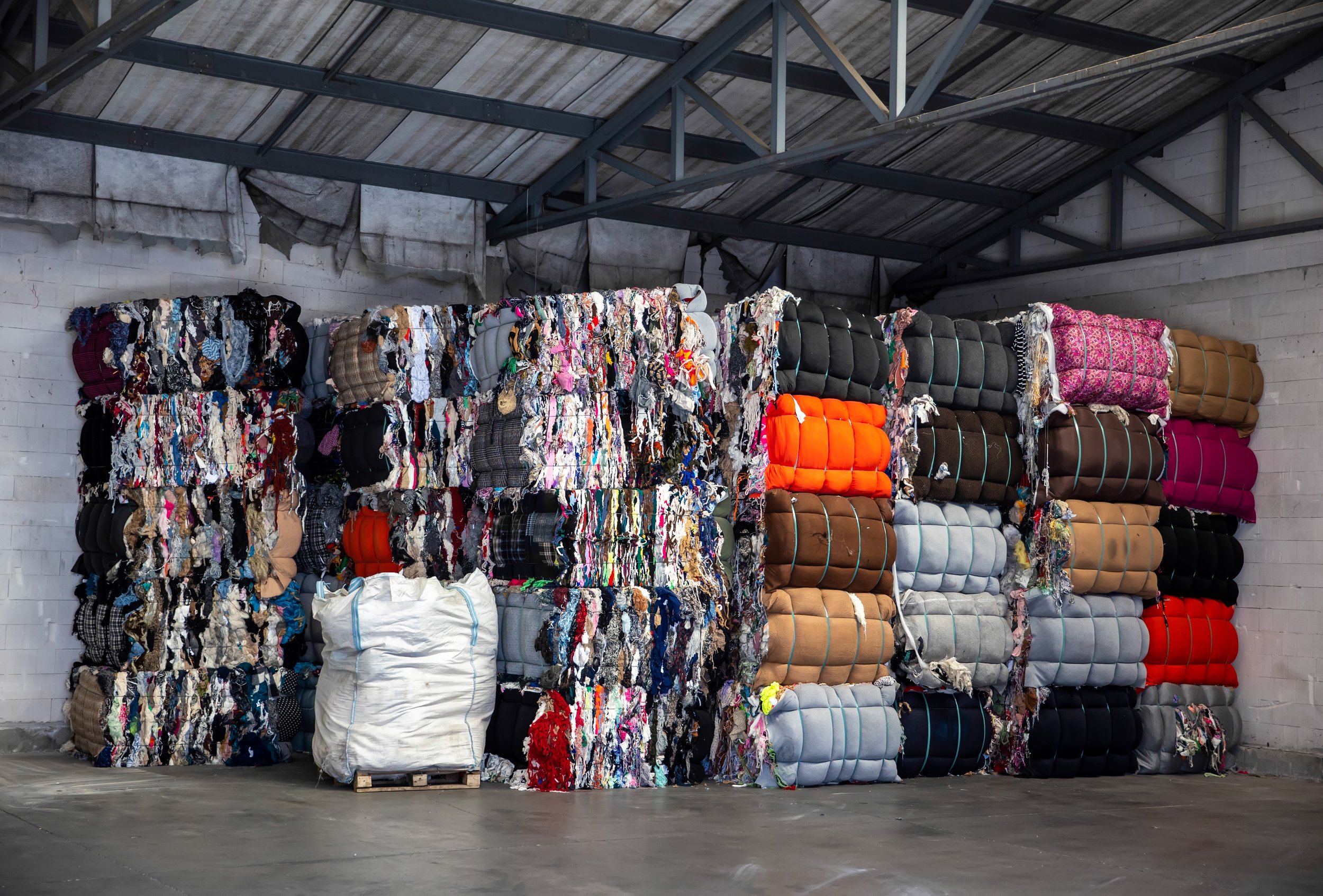
FTA launched Canada’s first Mechanical Textile Recycling Pilot, turning used polyester garments into a laundry hamper made with 40% recycled content. The project proved the potential for mechanical recycling through a full circular supply chain, from take-back to retail.
-
![Industrial fabric washing machine processing fabric with water spray]()
Textile Recycling Feasibility Study
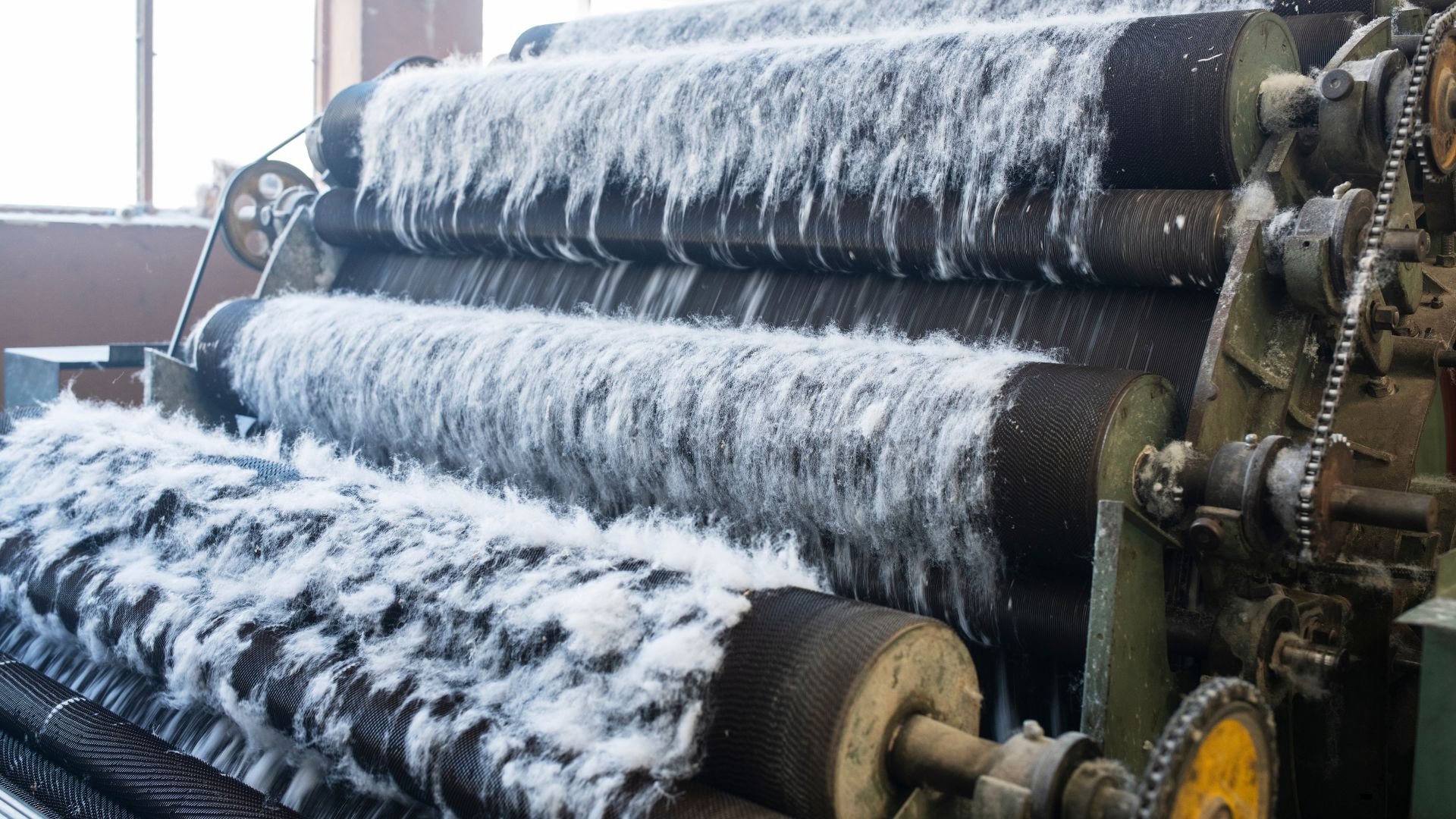
FTA’s national study on textile recycling identified key barriers and offered 22 recommendations to support circularity, highlighting mechanical recycling (particularly for polyester) as a scalable solution.
-
![]()
Circular Business Models for Textiles: Value Chain Capabilities and Challenges
In collaboration with Deloitte, Fashion Takes Action set out to identify existing capabilities and priority gaps necessary for establishing circular business models in the Canadian textile industry. Scaling circular fashion in Canada won’t happen without the right systems in place. This report maps the gaps, and what it will take to close them.
-
![]()
Circular Design: Canada’s Circular Design Toolkit
A practical guide helping Canadian apparel and textile companies embed circularity into product development. It translates theory into actionable strategies, covering material choices, durability, repairability, and recyclability, while aligning with global standards and Canada’s unique infrastructure and policy landscape.
-
![]()
Industrial Symbiosis: Char Pilot
The Char Pilot explores an open-loop circular pathway: turning hospital textile waste into a carbon-rich material that may support soil health and agricultural resilience. Read the full report for more info: Textile Waste To Soil Amendment: Greenhouse Study Of Textile-Derived Char For Canadian Agriculture



Join the CCTC

Be part of the national collaboration shaping the future of circular textiles in Canada.
CCTC membership connects organizations across the textile ecosystem to the knowledge, relationships and collaborative opportunities needed to advance circularity - while providing a platform to help shape shared priorities and contribute to solutions that no single organization can deliver alone.
Membership is currently open to organizations.
As a CCTC member, your organization will gain access to:
Research and insights at both the national and global levels
Our exclusive Wrapped monthly newsletter
Learning Series webinars on topics such as Sorting for Circularity in the North American Ecosystem, Next-Generation Materials, and Pre-Processing Technologies
Invitations to closed-door roundtables, working groups, and strategic engagement sessions
Opportunities to collaborate with industry peers, policy makers, researchers, and innovators
Member pricing for select CCTC-hosted events and initiatives
Membership fees support the backbone coordination, research, convening and collaborative work that enables the CCTC to move shared priorities from insight to action.
Interested in joining? Learn more about membership options and how your organization can participate >
Testimonials
-
![Portrait of a young woman with long wavy brown hair, smiling, wearing a black sweater, against a plain white background.]()
"One of the most valuable takeaways from the CCTC initiative is the collaborative environment it fosters. The consortium brings together various stakeholders, including manufacturers, NGOs, industry associations and government, to share knowledge and resources. This collaboration has provided us with access to cutting-edge research, best practices, and new technologies that we might not have discovered on our own through the various projects and Learning Series offered. For manufacturers considering joining the CCTC, I would highly recommend it. The consortium offers a unique opportunity to be part of a forward-thinking community dedicated to advancing circularity in the textile industry. The support and resources available through the CCTC are invaluable for manufacturers working to achieve their sustainability goals. It's an investment in the future of your business and the planet."
Lauren Degenstein, Co-Chair of CTIA's Environment and Sustainable Development Committee
-
![A professional woman with shoulder-length brown hair, wearing a black blazer and colorful necklace, smiling at the camera against a plain light background.]()
"Participating in the Canadian Circularity Textile Consortium (CCTC) has influenced our approach to circularity within the apparel business. Through the CCTC, we have established new partnerships and launched pilots aimed at improving our sustainability efforts. We continue to gain useful insights and strategies through the CCTC’s strategic projects and from our partners in the consortium. Joining CCTC has been a step towards advancing our commitment to more sustainable business practices. This journey towards circularity is a long and challenging one, but with the support of CCTC, we are confident in our ability to continue making impactful changes both at the grassroots level and through broader, systemic transformations."
Marijke McLean, Manager ESG, Product Impact and Circularity, Canadian Tire
-
![]()
“The Toolkit in Practice workshop provided a useful introduction to circular design principles and helped build awareness of how considerations such as longevity, durability, materials, and versatility can be incorporated earlier in the design process.
The workshop was interactive and engaging, helping to establish a baseline understanding of what circular design means in practice while also bringing greater awareness to circular design practices already in place. The Toolkit offers a helpful foundation for thinking more intentionally about circularity and how it can be considered throughout the design and development process.”
Melissa Mark, Joe Fresh, Sustainability Lead
-
![]()
“Textiles consistently emerge as a top diversion opportunity in our municipal waste audits. We joined the CCTC because addressing this issue requires more than local action, it demands national collaboration. Advancing circularity in textiles calls for consumer education, consistent messaging, policy reform, and innovation across the entire value chain. The CCTC creates a space for meaningful dialogue among policymakers, brands, charities, municipalities and others. Without it, we wouldn’t have had the opportunity to engage so broadly or effectively on this critical issue.”
Project Coordinator, Sustainable Waste Management at York Region
-
![]()
“Fast fashion, clothing, and plastic waste are major challenges—about 98% of plastic textile waste ends up in landfills. Big problems need big solutions, and everyone has a role to play in tackling them. That’s why I’m so proud of Fashion Takes Action. What started here in Toronto has grown into a national leader and connector for reducing textile waste and driving circular solutions. Their work aligns with our government’s plan to eliminate plastic waste and support industry for a more sustainable and innovative future in Canada.”
Julie Dabrusin, Minister of Environment and Climate Change
-
![]()
“It is very important for our own core values and to our customers that we do our best to be a net positive in the world. This workshop [The Toolkit in Practice] gave me a better understanding of textile circularity, why it is important and how we can take the first steps to be a part of the solution. “
Tereska Gesing, Co-founder at Core Fabrics






Our Partners
The CCTC is powered by collaboration. Our 140+ partners include brands, charities, NGOs, academia, manufacturers, recyclers, and policymakers committed to creating a circular textile system.
Strategic








Collaborating








Knowledge






Observing


We’d also like to thank our individual contributing partners: Cédric Comte, Kersti Landra, Madeleine Shaw, Mika Unterman, Pramila Choudhary, Nathalie Dansereau and Zeina Althawabteh